









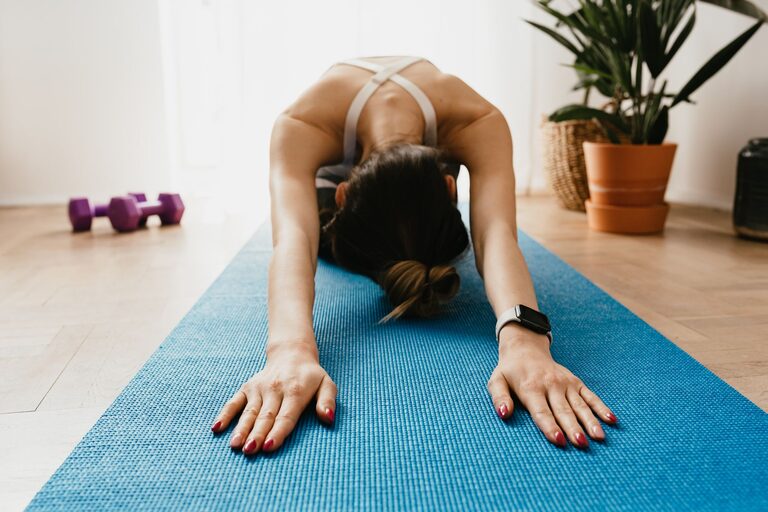
Stretching is a simple and effective way to improve your flexibility, reduce muscle tension, and promote relaxation—all from the comfort of your home. Whether you’re new to exercise or looking to add a gentle routine to your day, stretching can benefit your body and mind with minimal time and no special equipment.
In this beginner’s guide, you’ll learn the basics of stretching, why it’s important, and easy-to-follow routines that you can start right away.
Why Stretching Matters
Stretching helps maintain or improve the range of motion in your joints and muscles, which makes everyday movements easier and reduces the risk of injury. It also promotes better circulation and can ease muscle stiffness caused by long periods of sitting or inactivity.
In addition to physical benefits, stretching can have a calming effect on your nervous system, helping to relieve stress and improve your overall mood.
Types of Stretching
Before you begin, it’s helpful to know the two most common types of stretching:
Static Stretching
This involves holding a stretch in one position for 15 to 60 seconds. It’s great for improving flexibility and is best done after your muscles are warmed up, such as after a light walk or exercise.
Dynamic Stretching
Dynamic stretches involve moving parts of your body through a full range of motion in a controlled manner. These are useful before exercise to prepare your muscles and joints.
For beginners stretching at home, static stretching is often a relaxing way to start or end your day.
Tips for Safe Stretching at Home
– Warm up first: Light activity like walking for 3-5 minutes helps prepare your muscles.
– Don’t bounce: Stretch smoothly and steadily—bouncing can cause injury.
– Listen to your body: You should feel gentle tension, not pain.
– Breathe deeply: Focus on slow, even breaths to help your muscles relax.
– Be consistent: Aim to stretch at least 3-4 times per week for best results.
A Simple Stretching Routine for Beginners
Here’s a beginner-friendly routine you can do in about 10 minutes, targeting the major muscle groups:
1. Neck Stretch
– Sit or stand with a straight spine.
– Slowly tilt your head towards your right shoulder until you feel a gentle stretch.
– Hold for 20-30 seconds.
– Repeat on the left side.
2. Shoulder Stretch
– Bring your right arm across your chest.
– Use your left hand to gently press your arm closer to your chest.
– Hold for 20-30 seconds.
– Repeat with the left arm.
3. Triceps Stretch
– Raise your right arm overhead and bend your elbow to touch the middle of your back.
– Use your left hand to gently press on your right elbow.
– Hold for 20-30 seconds.
– Repeat with the left arm.
4. Chest Stretch
– Stand tall and clasp your hands behind your back.
– Straighten your arms and lift your chest while squeezing your shoulder blades together.
– Hold for 20-30 seconds.
5. Side Stretch
– Raise your right arm overhead and lean to the left side.
– Keep your hips facing forward.
– Hold for 20-30 seconds.
– Repeat on the other side.
6. Seated Hamstring Stretch
– Sit on the floor with your legs extended straight ahead.
– Slowly lean forward from the hips, reaching for your toes (or as far as comfortable).
– Keep your back straight.
– Hold for 20-30 seconds.
7. Quadriceps Stretch
– Stand and hold onto a wall or chair for balance.
– Bend your right knee and bring your heel toward your buttocks.
– Grab your ankle with your right hand and gently pull.
– Keep your knees close together.
– Hold for 20-30 seconds.
– Repeat on the left leg.
8. Calf Stretch
– Stand facing a wall, placing your hands on it at shoulder height.
– Step your right leg back, keeping it straight and your heel on the floor.
– Bend your left knee slightly and lean forward.
– Hold for 20-30 seconds.
– Repeat on the other leg.
Making Stretching Part of Your Daily Routine
Consistency is key to gaining flexibility and reducing tension over time. Consider these tips to stay motivated:
– Schedule a time: Stretch in the morning, during breaks, or before bedtime.
– Create a comfortable space: Find a quiet spot with enough room to move freely.
– Use reminders: Set a phone alert or leave a note to encourage daily stretching.
– Combine with relaxation: Play calming music or practice deep breathing during stretching.
When to Consult a Professional
While stretching is generally safe, if you experience sharp pain, swelling, or have a pre-existing injury, it’s a good idea to consult a healthcare provider or physical therapist. They can help tailor a stretching program suited to your needs.
Final Thoughts
Stretching at home is an accessible way to care for your body and mind. Starting with simple routines and paying attention to your body’s signals will help you build a safe and enjoyable habit. Over time, you’ll likely notice improvements in your flexibility, posture, and overall sense of well-being.
Give it a try today—your body will thank you!