









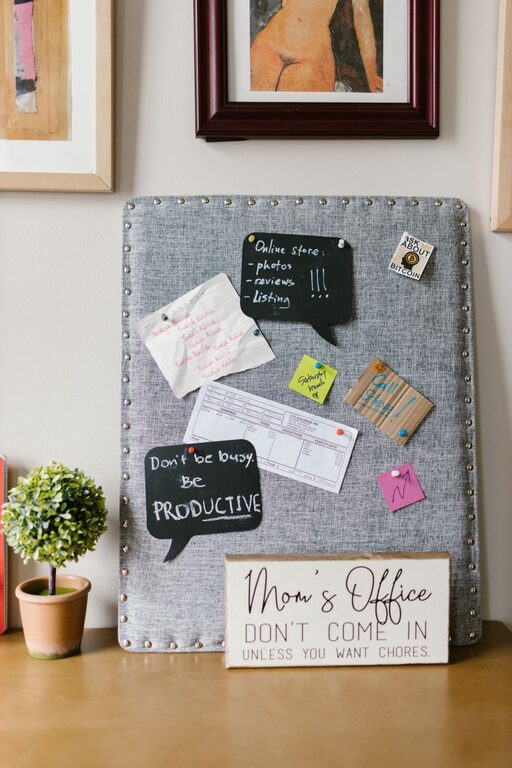
Setting up a family command center can be a game-changer when it comes to organizing your household. Whether you’re managing kids’ activities, grocery lists, appointments, or meal planning, having one centralized spot where everyone can check in helps reduce confusion and keeps everyone on the same page. In this guide, we’ll walk you through the essentials of creating a family command center that fits your home and lifestyle.
What is a Family Command Center?
A family command center is a designated area in your home that acts as a hub for family organization. Think of it as a control panel where important information like calendars, to-do lists, notes, and mail come together. The goal is to make it easy for every family member to find what they need and contribute to daily tasks.
Choosing the Right Location
The first step is to pick a convenient spot for your command center. This should be a high-traffic area where everyone passes by regularly. Common choices include:
– The kitchen wall or pantry door
– Near the front door or mudroom
– A hallway that leads to bedrooms or the living room
Make sure the space you choose has enough room for your setup, good lighting, and easy access.
Essential Components of a Family Command Center
While every family’s needs differ, most command centers include these key elements:
1. Calendar
A large monthly calendar is a must-have. It helps keep track of appointments, birthdays, school events, sports practices, and other important dates. You can use a dry-erase whiteboard calendar, a paper calendar with pockets, or a magnetic calendar on a fridge.
2. Message Center
This is where family members can leave reminders, notes, or encouragement. Consider adding a corkboard, magnetic board, or chalkboard for sticky notes and messages.
3. To-Do Lists and Chore Charts
Keep track of household tasks, grocery lists, and responsibilities. A writable surface or clipboards with paper work well for this. You might want separate lists for each family member or a shared list everyone can update.
4. Mail and Paper Organizer
Incoming mail, school papers, bills, and invitations often pile up. Use labeled bins, baskets, or wall-mounted organizers to sort important documents and keep clutter off counters.
5. Key Hooks or Tray
A spot to hang keys, backpacks, or masks helps everyone remember their essentials when leaving the house. Small hooks or a decorative tray can serve this purpose.
Optional Additions
You can customize your command center with extras that fit your family’s lifestyle:
– Meal planning board or menu planner
– Charging station for devices
– Inspirational quotes or family photos
– Pocket organizer for coupons or receipts
Materials and Tools Needed
Here’s a basic list to help you gather supplies:
– Calendar (whiteboard, paper, or magnetic)
– Corkboard, chalkboard, or magnetic board
– Baskets, bins, or wall organizers
– Hooks, clips, or trays for keys and small items
– Pens, markers, and sticky notes
– Tape, nails, or command strips for mounting
Step-by-Step Setup Instructions
Step 1: Clear and Clean the Space
Remove any existing items and clean the wall or area where the command center will go. This helps the new setup look tidy and inviting.
Step 2: Arrange the Components
Lay out your calendar, boards, and organizers on the floor to decide the best arrangement. Consider height and how frequently each item will be accessed.
Step 3: Mount and Install
Use nails, screws, or adhesive strips to mount your items to the wall. Make sure everything is secure and level.
Step 4: Add Your Supplies
Set up markers, pens, sticky notes, and any other tools you’ll need. Arrange mail bins, hooks, and trays in their designated places.
Step 5: Introduce the Command Center to Your Family
Explain how the system works and encourage everyone to use it daily. It might be helpful to set reminders during the first few weeks to create the habit.
Tips for Maintaining Your Family Command Center
– Keep it simple and flexible to adapt as your family’s needs change.
– Update calendars and lists regularly.
– Schedule weekly check-ins to review and plan upcoming events.
– Involve children by giving them age-appropriate responsibilities.
– Use color coding to differentiate family members or types of tasks.
Final Thoughts
A family command center is more than just a place for calendars and notes—it’s a way to improve communication and reduce stress in your household. By creating a dedicated space for organization, you give your family a tool to work together smoothly. Start small, customize your setup, and enjoy the benefits of a well-coordinated home!